Reporting & Analytics That Turn Data Into Actionable Visibility
Give leadership and teams a clearer view of performance, operations, and business movement through reporting and analytics designed for decision-making, not just data display.
Decision-ready reporting
Executive visibility
Operational insight
Clearer business control
Why it matters
See More Clearly. Measure More Confidently. Decide More Effectively.
The page should quickly show that reporting is not about more charts. It is about turning activity into visibility, visibility into understanding, and understanding into better action.

Clear reporting structure

Cross-functional understanding

KPI visibility by role

More confident reviews
Business visibility
What Reporting & Analytics Mean in Practice
Reporting and analytics should help the business understand what is happening, why it is happening, and where action is needed. Good visibility supports both day-to-day management and longer-term planning.

Structured business reporting

Operational and managerial analysis

Insight linked to decisions

Visibility across functions
Leadership review
Give Leadership a View They Can Review Quickly and Trust
Executives need more than raw numbers. They need a reliable view of trends, exceptions, priorities, and business movement in a format that supports review and action.
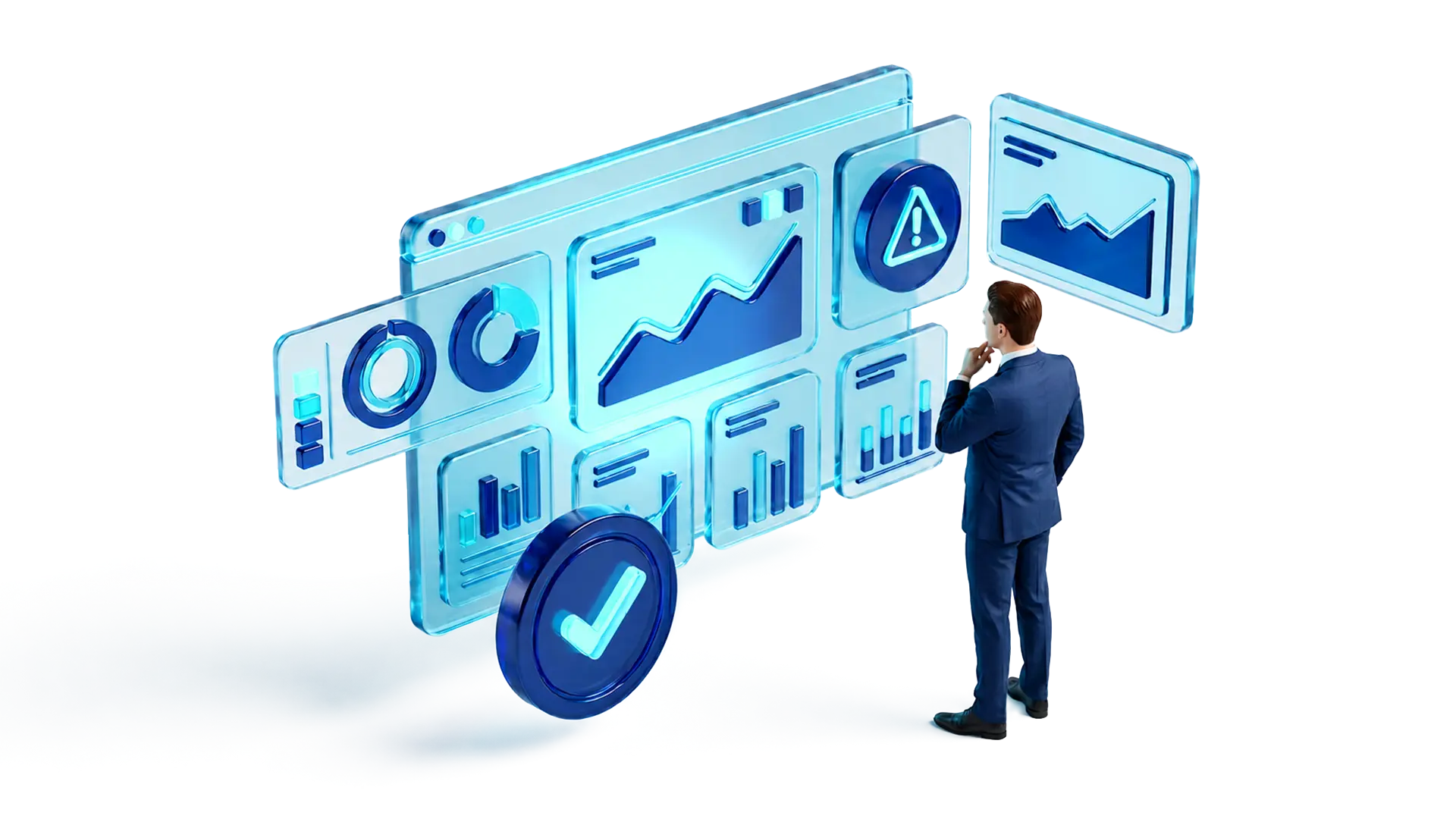
Management-ready dashboards
KPI tracking by priority
Faster review cycles
Better visibility for decision makers
Operational clarity
Support Daily Control Across Finance, Sales, Inventory, Operations, and More
Operational teams need reporting that helps them monitor movement, identify issues, and respond quickly. Strong reporting should support real work, not become a separate reporting burden.
Department-level reporting
Exception and trend visibility
Faster issue identification
More consistent operational follow-up

Connected insight
Analyze Business Performance Across Functions, Not in Isolation
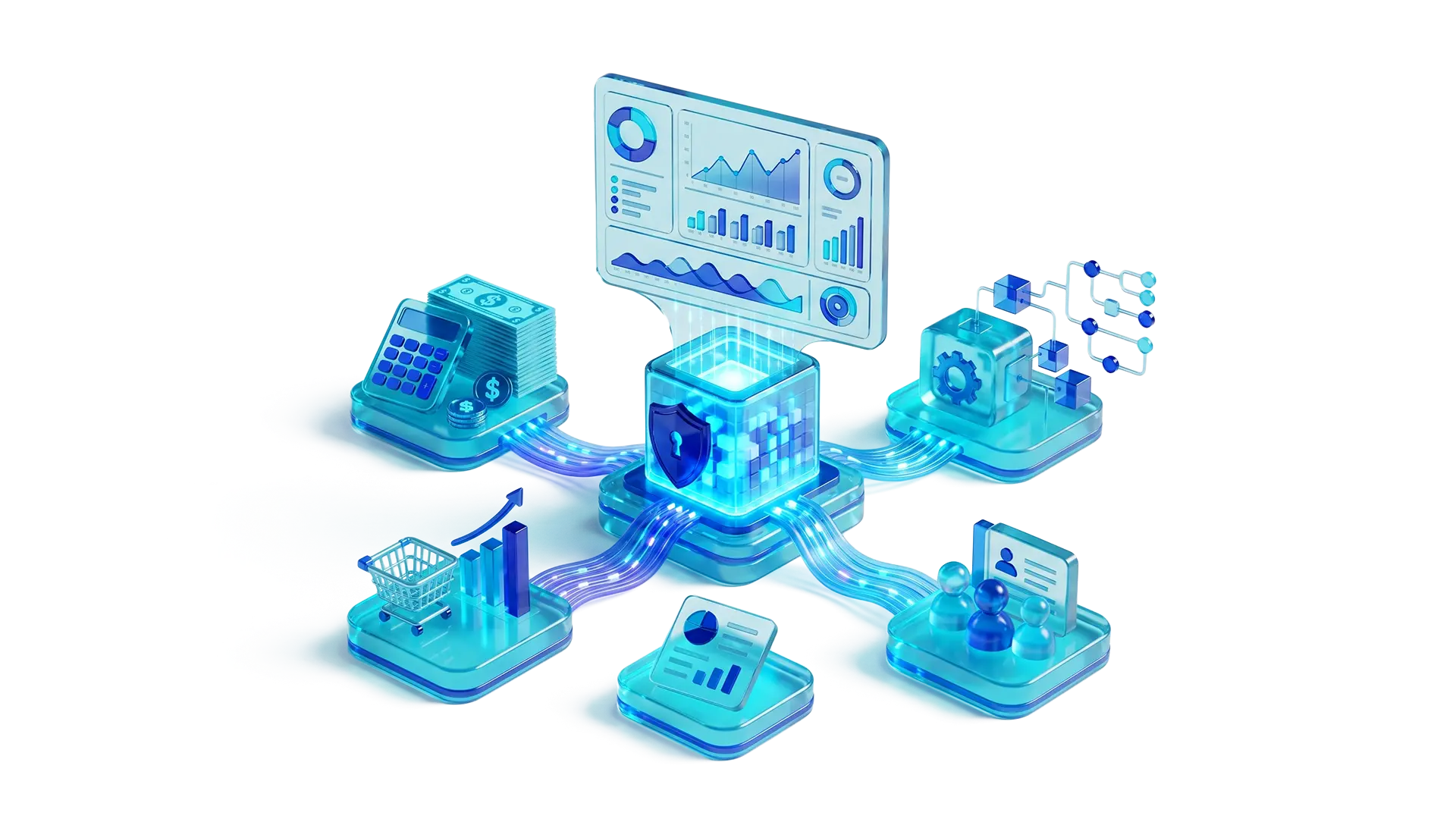
Important business questions often cross departments. Analytics should help connect financial, operational, commercial, and administrative signals so the organization can see patterns more clearly.
Finance and operations together
Commercial and service insight
Broader business context
Better pattern recognition
Decision support
Track What Matters and Turn Metrics Into Action
KPIs are useful when they are connected to business priorities, interpreted in context, and reviewed regularly. Reporting should help the organization focus, compare, and act.

KPI monitoring with context

Target versus actual visibility

Action-oriented review structure

More disciplined follow-up
Reliable insight
Better Decisions Depend on More Consistent Data
Analytics become more useful when data is structured consistently and reviewed through clearer business logic. The page should reinforce that reporting quality depends on process discipline as much as presentation.

Cleaner reporting logic

More consistent definitions

Higher trust in outputs

Reduced manual interpretation
Right view, right role
Deliver the Right Visibility to the Right Stakeholders
Different stakeholders need different levels of detail. Reporting and analytics should support leadership, managers, and teams with the level of visibility each role actually needs.

Executive summary views

Managerial operational detail

Team-level monitoring

Clearer alignment across roles
Next step
See Reporting and Analytics in a Real Business Context
Explore how HuoPuo can help your organization build clearer dashboards, stronger KPI visibility, and more decision-ready reporting across the business.