Deployment & Scalability That Fit the Way Your Business Operates
Choose a deployment approach that matches your infrastructure, control requirements, and growth plans while keeping performance, continuity, and future expansion in view.
Flexible deployment models
Growth-ready architecture
Controlled rollout paths
Performance-minded planning
Why it matters
Deploy With Flexibility. Scale With Confidence. Operate Without Rebuilding.
The page should immediately show that deployment is not only technical. It affects speed of adoption, operational continuity, and how easily the platform can grow with the business.

Maintain operational continuity

Fit different infrastructure preferences

Reduce future rework

Support phased expansion
Growth architecture
What Deployment & Scalability Mean in Practice
Deployment and scalability are about more than where the system sits. They define how the platform is introduced, administered, expanded, and kept stable as users, companies, sites, and workloads increase.
Infrastructure aligned to business reality
Rollout aligned to operational readiness
Capacity aligned to expected growth
Stability aligned to long-term use
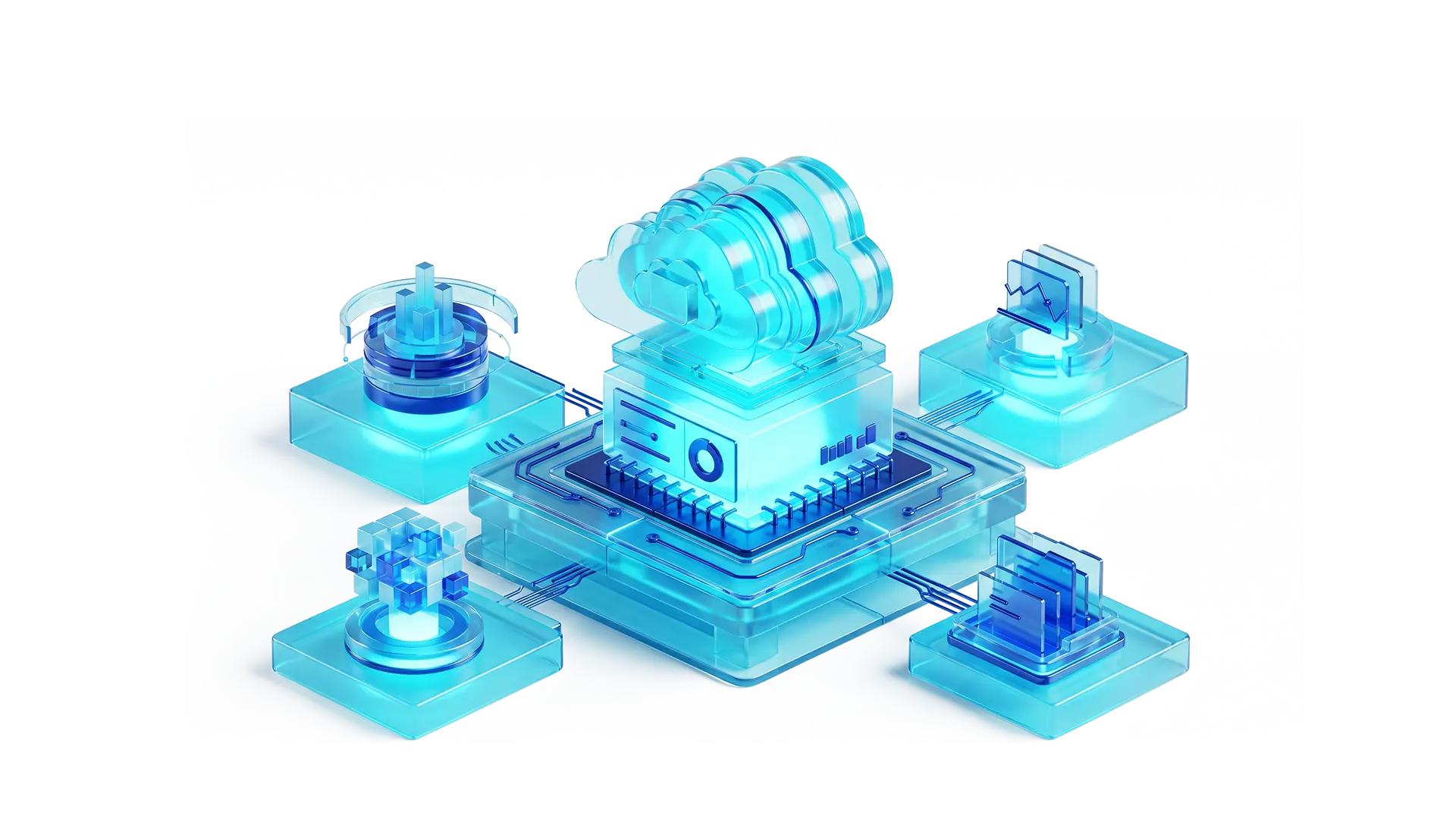
Infrastructure choice
Core Business Functions in One Platform
Different organizations require different deployment models. Some prioritize direct control, others managed environments, and many need a path that supports gradual transition without unnecessary disruption.

On-premise or privately managed environments

Staged migration or rollout

Deployment choices tied to control needs

Separate testing and production environments
Performance readiness
Plan for Performance Before Growth Creates Pressure
Scalability begins with planning. A strong deployment model considers user growth, transaction volume, data load, and administrative practices before performance becomes a problem.
User load and transaction planning
Environment sizing and tuning readiness
Database and application discipline
Smoother response as activity increases

Growth without disruption
Expand Across Companies, Branches, Teams, and Workloads
Growth often means more branches, companies, users, processes, and data. The platform should support expansion without forcing a redesign every time the business becomes more complex.

Multi-company readiness

Branch and site expansion

More users and operational volume

Broader process coverage over time
Operational discipline
Give IT and Operations a Structure They Can Maintain
IT and operations need an environment they can manage clearly. Deployment should support responsible administration, controlled changes, and cleaner coordination between business and technical teams.

Better update and backup planning

Structured environment management

More maintainable operations

Clear testing and production separation
Stability at scale
Scale Without Sacrificing Stability
A scalable platform should not become more fragile as it grows. Strong deployment discipline supports staged changes, operational continuity, and lower risk when expanding or adjusting the system.
Staged change management
Testing before production
Continuity and recovery planning
Lower risk during expansion

Executive confidence
Turn Technical Readiness Into Business Confidence
When deployment and scalability are designed well, leadership gains confidence. The system becomes easier to roll out, easier to manage, and better prepared to support growth without repeated disruption.

Faster rollout decisions
Lower long-term rework
Better readiness for expansion
Stronger confidence for management and IT
Next step
Build for Today’s Operations and Tomorrow’s Growth
See how HuoPuo supports flexible deployment, performance planning, and structured growth so the platform can adapt as your business evolves.