Integrations & APIs That Connect the Business Without Chaos
Bring external systems, devices, sales channels, finance tools, logistics partners, and data flows into one governed operating model so teams do not have to work across disconnected islands.
Why it matters
Connected Systems. Cleaner Data. Faster Execution.

Connect core business systems without fragmented handoffs

Reduce duplicate entry and manual reconciliation

Keep teams aligned around one operational source of truth

Make scaling easier as tools, channels, and locations grow
Interoperability
What Integrations & APIs Mean in Practice
Integrations and APIs are not just technical connectors. They define how data moves, which system owns what, when updates should sync, and how the business stays consistent across finance, sales, inventory, operations, and reporting.
Clear ownership of data across systems
Fewer delays caused by disconnected updates
Better consistency from intake to execution and reporting
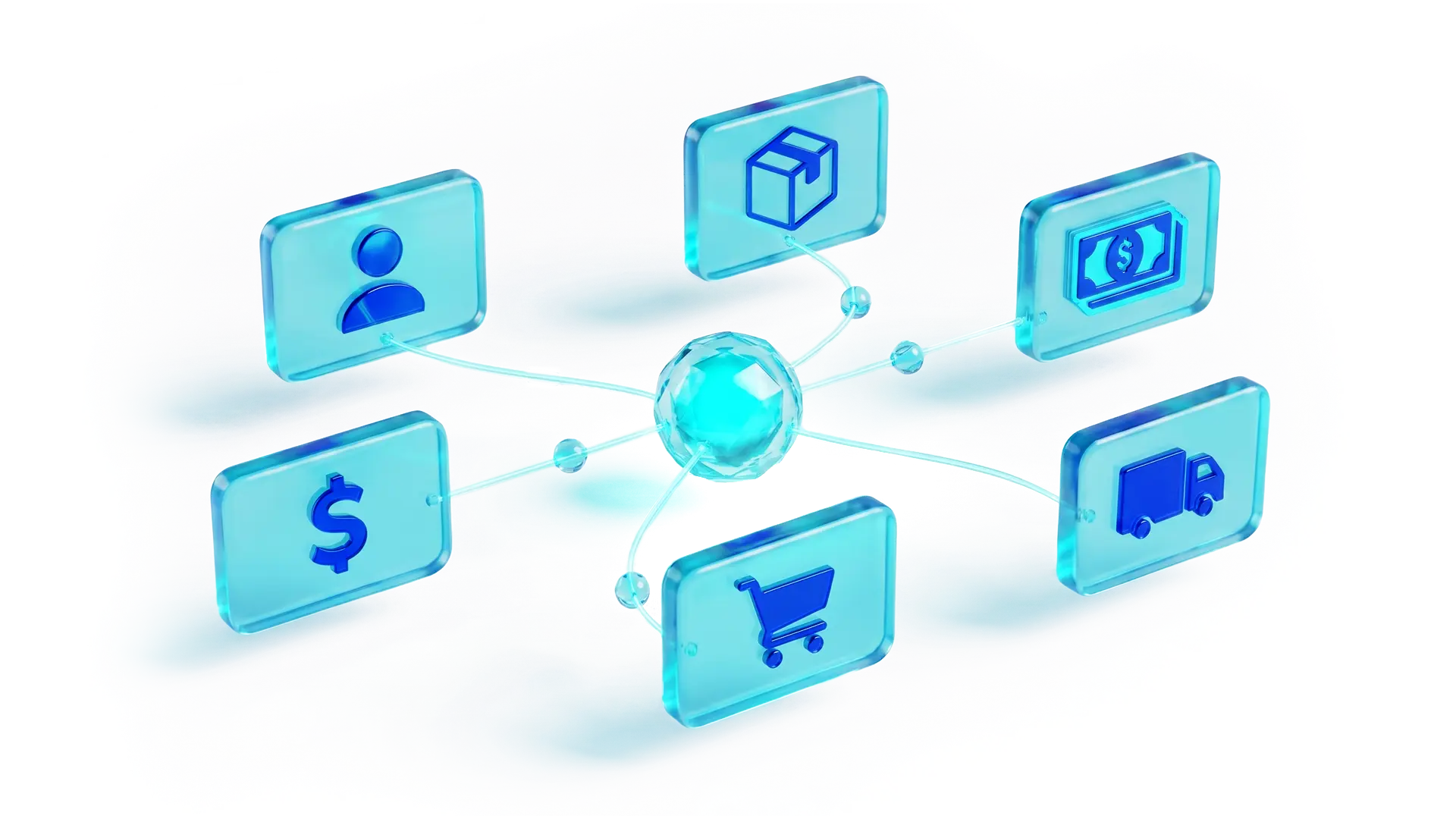
Connection scope
Connect the Systems Around the Core

Finance & Payments
journals, settlements, tax data, receivable visibility, collections signals

Warehousing, Shipping & Fulfillment
carriers, labels, tracking, dispatch, delivery visibility

BI & Data Warehouses
reporting pipelines, consolidated data, dashboards, trend analysis, decision support

Commerce & Sales Channels
customers, orders, catalog, pricing, status synchronization

Devices & Operational Hardware
barcode, RFID, POS, attendance, access, weighing, field devices

Productivity & Identity Tools
email, calendars, documents, user access, authentication, collaboration support
Built to extend
Structured APIs for Integration, Extension, and Control
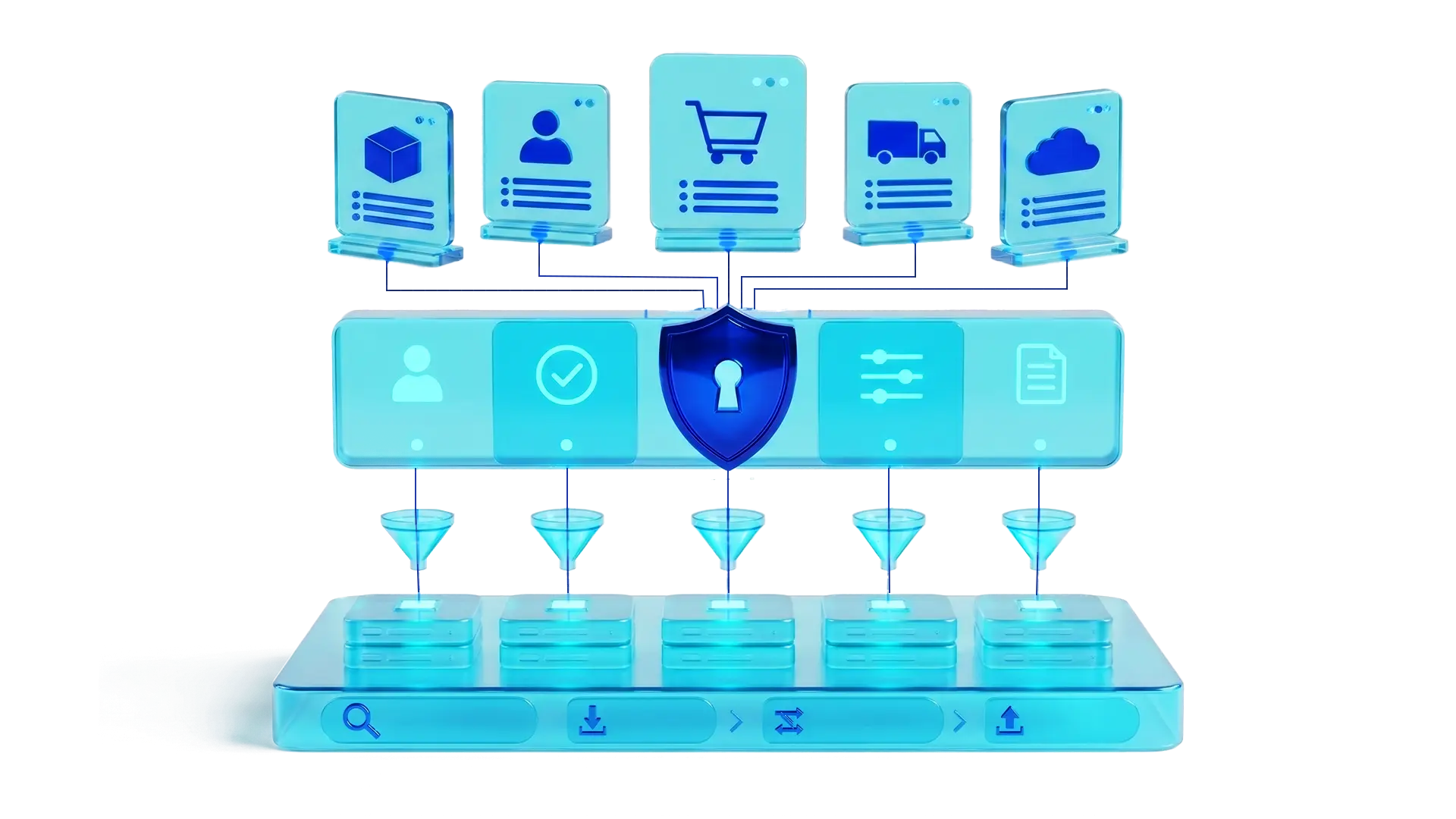
Use structured interfaces, mapped objects, event logic, and controlled authentication to build reliable connections instead of brittle workarounds. The goal is extendability with governance, not ad-hoc complexity.

Defined endpoints, payloads, and mapping logic

Controlled authentication, access rules, and error handling

Event-driven updates, triggers, or scheduled synchronization

Extensibility that supports future systems, partners, and workflows
Data discipline
Integration Success Depends on Mapping, Validation, and Ownership
A strong integration model starts with data ownership, field mapping, validation rules, sync timing, exception handling, and responsibility clarity. That is how integrations stay useful after go-live rather than becoming long-term operational risk.
Master data alignment across products, customers, vendors, and accounts
Validation rules that prevent bad data from spreading
Clear sync logic for what moves, when, and why
Auditability for imported, exported, or transformed data
Operational reality
Connect Commerce, Devices, Logistics, and External Services
The real value of integrations appears in daily operations: orders flowing from channels, devices feeding live transactions, carriers returning tracking updates, external services enriching workflows, and reporting layers turning activity into visibility.
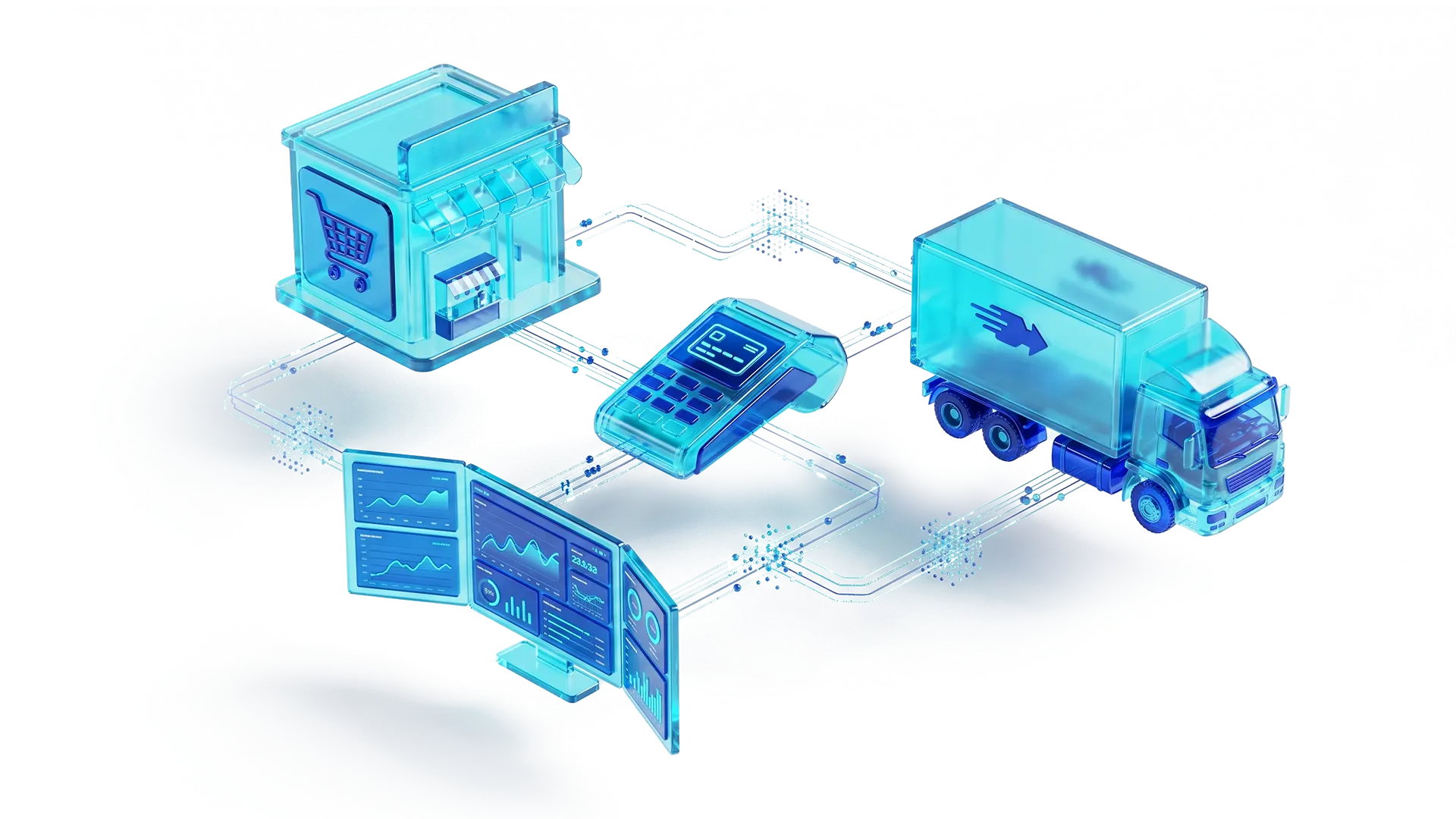
eCommerce, portals, and marketplace flows
Scanners, RFID, POS, and operational devices
Shipping, tracking, routing, and fulfillment signals
Reporting, analytics, and downstream data use
More than connectors
Integration Should Simplify the Business, Not Complicate It
The right integration model reduces friction, protects data quality, and keeps teams working from a coherent operating picture. It should help the business move faster without creating invisible technical debt.
Cleaner handoffs
Fewer manual workarounds
More reliable data movement
A stronger base for growth
Next step
Design the Right Integration Model from the Start
Connect the systems that matter most first, define ownership clearly, and build an architecture that can scale with your operations.